Private Pilot to CFI: The Certificate Ladder
A look at the private pilot to CFI certificate ladder, what each step authorizes, what it does not, and how long each one takes.

Published by
Rich CoxPublished on
Read time
9 min read
The private pilot to CFI path gets described online as a straight climb, four rungs, one ladder, and a job at the top. Sitting in the schoolhouse at Moraine Airpark with a new student who has a spreadsheet open, the picture looks different. What am I actually buying at each step, and what does it let me do the day after the checkride?
Each rung of the ladder is a separate decision with its own FAA requirements, its own training block, and its own set of privileges. You can stop at any rung and still have a certificate that is worth what you paid for it. You can also keep climbing, one decision at a time, without ever committing to the whole thing on day one.
Here is the honest version of the ladder, rung by rung, from the school that teaches it.
The Ladder Is a Series of Decisions
Under FAA Part 61, the common civilian sequence runs student pilot, private pilot certificate, instrument rating, commercial pilot certificate, then flight instructor certificates, with a multi-engine rating added along the way for pilots headed toward larger airplanes. It is a common pathway, not a requirement for every flying goal. A pilot who wants to fly family to Michigan on weekends and a pilot who wants to teach for a living take the same first two steps and then separate.
The vocabulary matters more than it looks. A certificate is your credential level. A rating is an authorization added to that certificate, which is why the instrument rating is added to your private certificate rather than replacing it. An endorsement is a logbook signature for a specific operation, aircraft characteristic, or test. Getting these words right saves you from buying training you did not need, which is one reason our Part 61 training starts with a conversation about the mission before the syllabus.
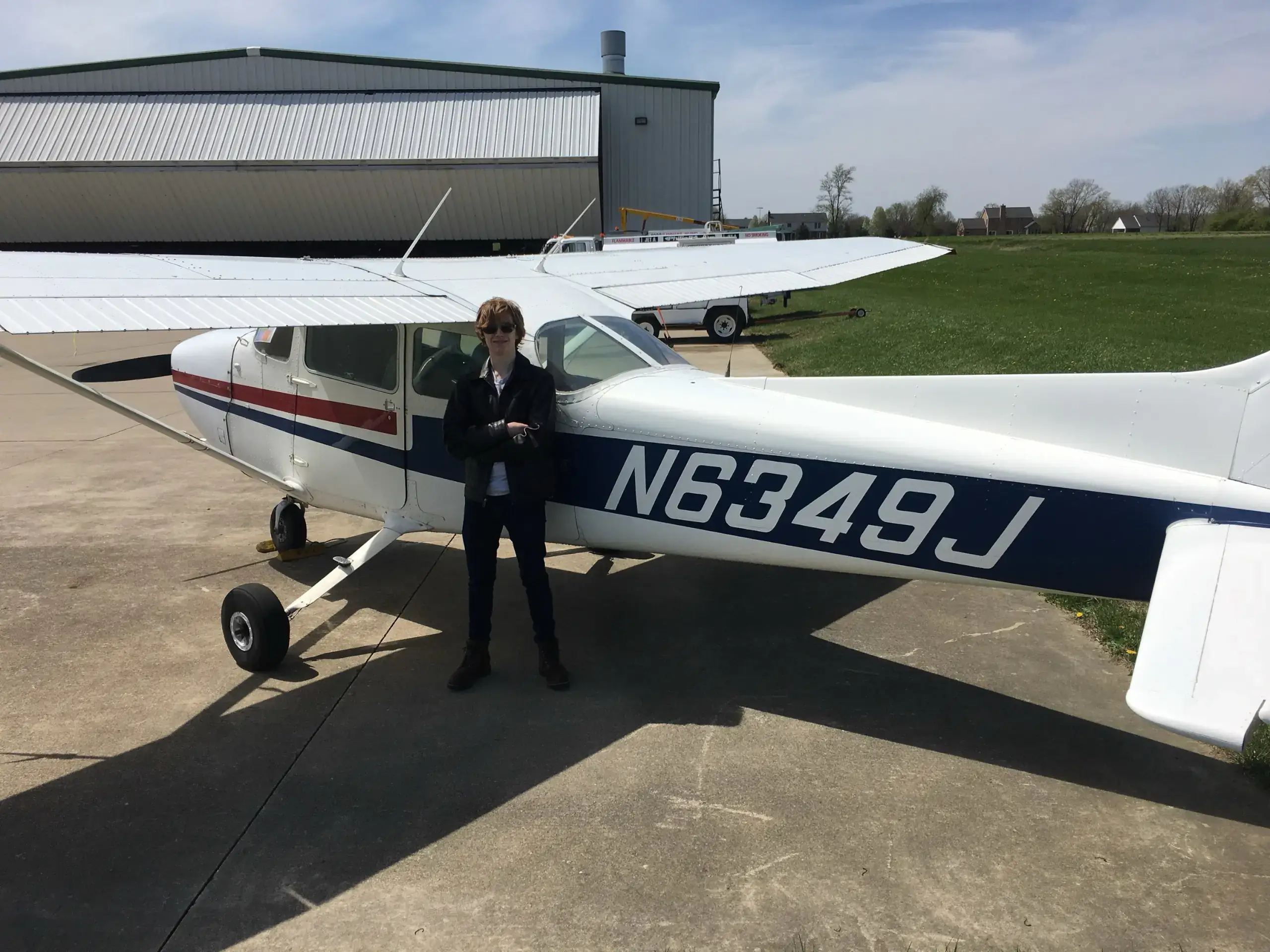
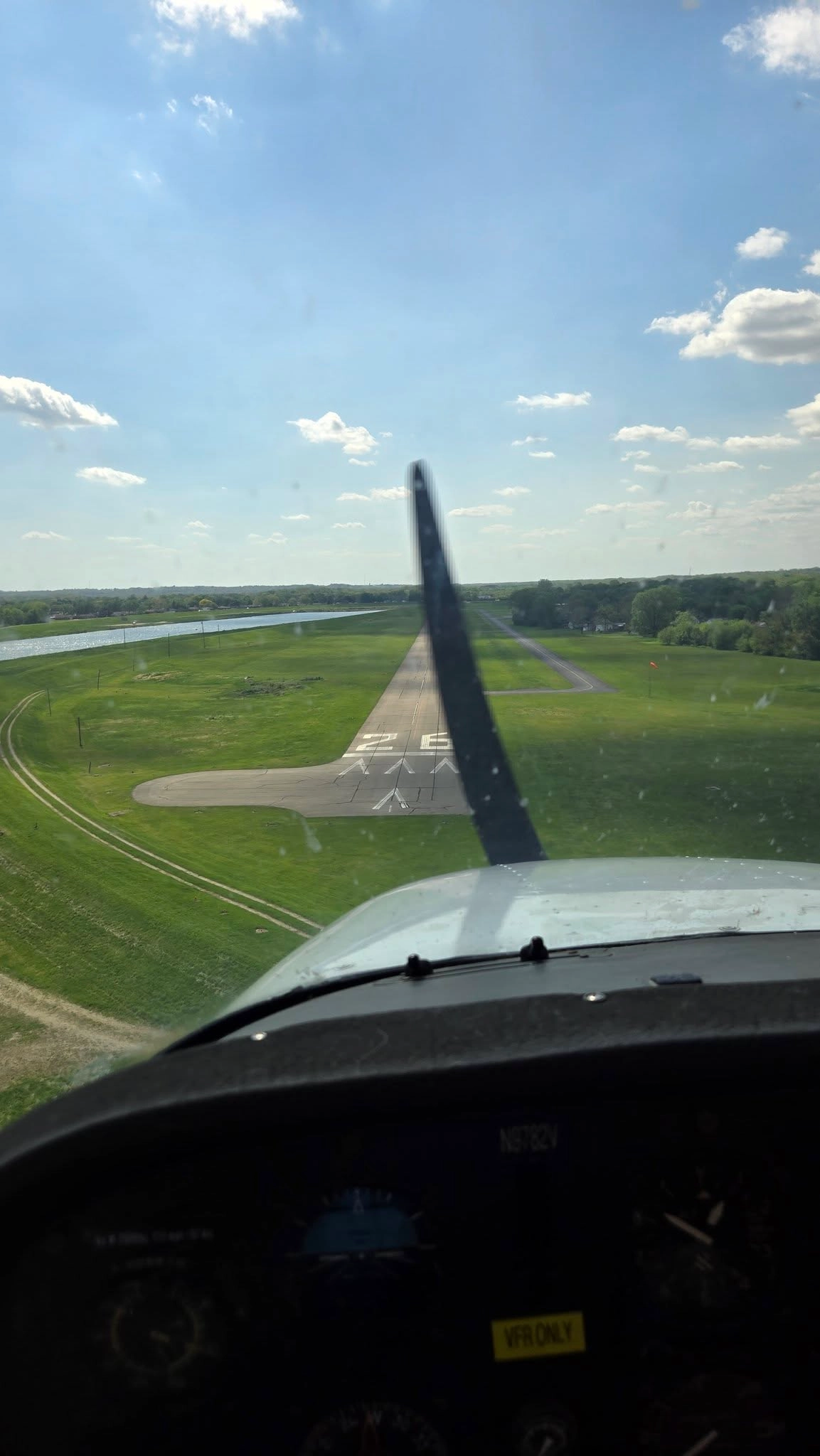
Every rung of the ladder is a separate FAA decision with its own privileges and its own training block.
Private Pilot Is the Foundation and It Stands on Its Own
For a single-engine airplane, the FAA sets the floor at at least 40 hours of flight time, split between training with an instructor and solo experience, alongside knowledge and proficiency standards you have to meet before the checkride. That 40 is a floor, most pilots fly more than it before they are ready for the practical test, and that has nothing to do with talent.
What the certificate buys you is real. A private pilot certificate allows noncommercial flying, including carrying passengers, within your ratings, endorsements, medical qualification, and the operating rules. That is the certificate most of our students actually want. Our Private Pilot program runs three to six months for students who fly consistently, and the best schedule is the one you can repeat.
If your goal is local recreational flying with a focused mission, compare this step against sport pilot training before you commit. Choosing the smaller certificate on purpose is not a step backward, and plenty of pilots fly happily for decades on exactly the privileges they picked.
The Instrument Rating Changes What Weather Can Do to Your Plans
The instrument rating is the rung that changes flying the most for the least glamour. It is what lets a qualified pilot fly under instrument flight rules and in weather below visual minimums, which is the difference between canceling a trip and flying it. However, the rating does not authorize you to be paid. It authorizes you to keep the flight legal and safe when the ceiling comes down.
For career-track pilots it is also structural, because commercial and instructor work assumes instrument competence. For personal pilots it is the difference between a trip you can plan and a trip you can only hope for. Our Instrument Rating program runs two to four months, and it is where students usually tell us their flying got serious.
Commercial Pilot Is Where the Hours Get Real
This is where the numbers get bigger. Most airplane applicants build at least 250 hours of total flight time for a commercial certificate, along with specific pilot-in-command, cross-country, instrument, and test-preparation experience. That number is the reason the ladder has a long middle, and it is why the step after private feels less like a course and more like a season of flying.
Now a crucial detail, a commercial pilot certificate allows certain operations for compensation or hire, and it does not automatically qualify you for an airline job or for every paid flying job. Many commercial operations also require an instrument rating, additional ratings, an operating certificate, company training, or insurance minimums you do not control. Our Commercial Pilot program runs three to nine months, and we would rather tell you that up front than let you discover it at hour 240.
The Multi-Engine Rating Is the Side Step Worth Planning For
Somewhere between commercial and a professional cockpit, most career-track pilots add a multi-engine rating. Multi-engine is a class rating added to a pilot certificate rather than a certificate of its own, and the training is short and dense.
You learn asymmetric thrust, engine-out procedures, single-engine performance limits, and the speeds that keep a twin controllable when one engine quits. It changes how you think about takeoff planning more than it changes how you land.
Here is the straight answer for anyone planning the ladder with us. We do not currently offer the multi-engine rating, so that rating is one you add elsewhere for now. Bring it up when you talk with us about your plan, because the rest of the sequence is easier to pace when you know where that piece fits. You can see everything we teach today on our programs list, and a short conversation sorts out the rest.
CFI Is the Rung Where You Stop Flying and Start Teaching
To become a flight instructor, you generally need to hold a commercial pilot or ATP certificate first, then add instructor training on top of it: the appropriate instrument rating for airplane instructor privileges, spin training with an endorsement, the instructor knowledge tests, and a practical test flown from the right seat.
What nobody tells you is how different the flying feels. You already know how to fly the maneuver, and now you have to explain it from the right seat while someone else flies it badly on purpose. That shift is the whole training block. Our CFI program runs two to four months, and instructing is also how many pilots build the experience that later pathways require.
For the airline-track reader, the airline transport pilot certificate is the rung past this one. ATP experience is usually summarized as 1,500 hours, and reduced-hour pathways exist for certain military and collegiate backgrounds, so check your own case against current FAA rules rather than a forum post. Our Pilot Career Outlook page collects the industry data side of that question.
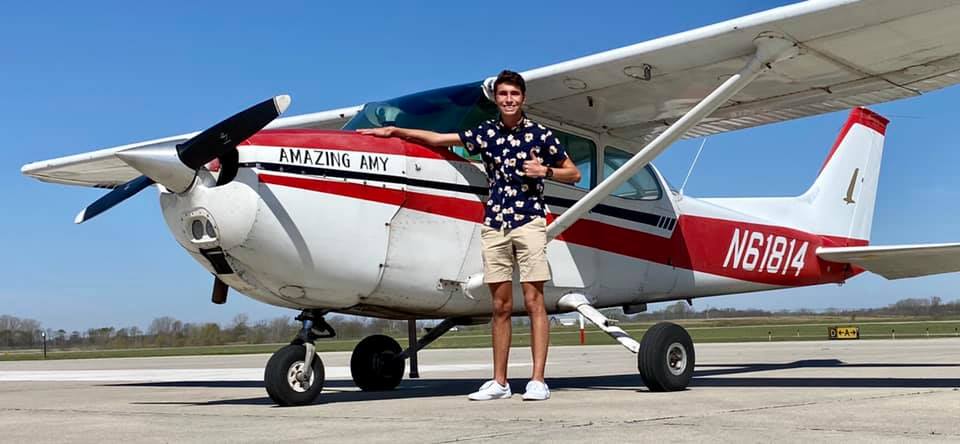
The certificate you finish with is worth what you paid for it, whether you stop at private or keep climbing.
What Each Rung Takes at Our Schoolhouse
These are our program durations for students training consistently at Moraine Airpark. Still, there is no guaranteed timeline, because proficiency, weather, aircraft scheduling, and study habits all move the date.
One thing to read carefully in the table below. If your goal is professional flying or higher privileges, start at private pilot, not sport pilot. Sport pilot is a genuinely good recreational certificate, and it is a detour rather than a foundation when a career or higher privileges are the target, because the instrument, commercial, and instructor rungs above it build on private pilot privileges and private pilot experience.
| Rung | Program | What it authorizes | Typical time with us |
|---|---|---|---|
| Simply recreational certificate | Sport Pilot | Recreational flying inside sport pilot privileges and limits | 2 to 4 months |
| Professional/Recreational starting point | Private Pilot | Noncommercial flying, including passengers | 3 to 6 months |
| Weather capability | Instrument Rating | Acting as PIC under IFR when qualified and current | 2 to 4 months |
| Paid operations | Commercial Pilot | Certain operations for compensation or hire | 3 to 9 months |
| Larger airplanes | Multi-Engine Rating | Flying airplanes with more than one engine | Not currently offered |
| Teaching | Certified Flight Instructor | Instructing within your certificate and ratings | 2 to 4 months |
Cost follows the same logic as time. You pay for aircraft time, instructor time, ground instruction, knowledge tests, examiner fees, and supplies, which is why our published fleet rates run from $128 to $180 per hour depending on the airplane. If financing or a payment plan is part of how you are budgeting the ladder, raise it with us early so the pacing matches the money instead of fighting it.
Common Questions About the Certificate Ladder
Pilots ask us these before they enroll, and the answers rarely change.
Do I have to go in this order?
Mostly yes for the certificates, since commercial builds on private and the instructor certificate builds on commercial. The instrument rating has more flexibility in its placement, and we help you sequence it around your goals during training at our Part 61 schoolhouse.
Can I skip the private pilot certificate if I know I want a career?
No. Private pilot is the foundation certificate for the airplane path, and the experience you build there carries into everything above it. Start with our Private Pilot program and decide about the rungs above it while you train.
How many hours will it really take?
More than the FAA minimum for most people, and the honest number depends on how consistently you fly. Two to three lessons a week keeps skills from decaying between flights, which is the pacing we recommend across every program we teach.
Is the CFI certificate worth it if I do not want an airline job?
Often yes. Teaching sharpens your own flying more than any other rung on the ladder, and instructors who teach because they want to teach are exactly who we look for at our schoolhouse.
What about a multi-engine rating?
Multi-engine is a class rating added to a pilot certificate rather than a standalone certificate. It is a normal part of many professional paths, and we do not offer it at our schoolhouse right now, so tell us your goal through our contact page and we will help you place that rating in the sequence.
Do I need a medical certificate for the whole ladder?
Your medical class needs to match the privileges you exercise, so the answer changes as you climb. Third class is generally associated with private and student privileges, and second class with commercial privileges, and starting that conversation early is ideal.
Take the First Rung at Moraine Airpark
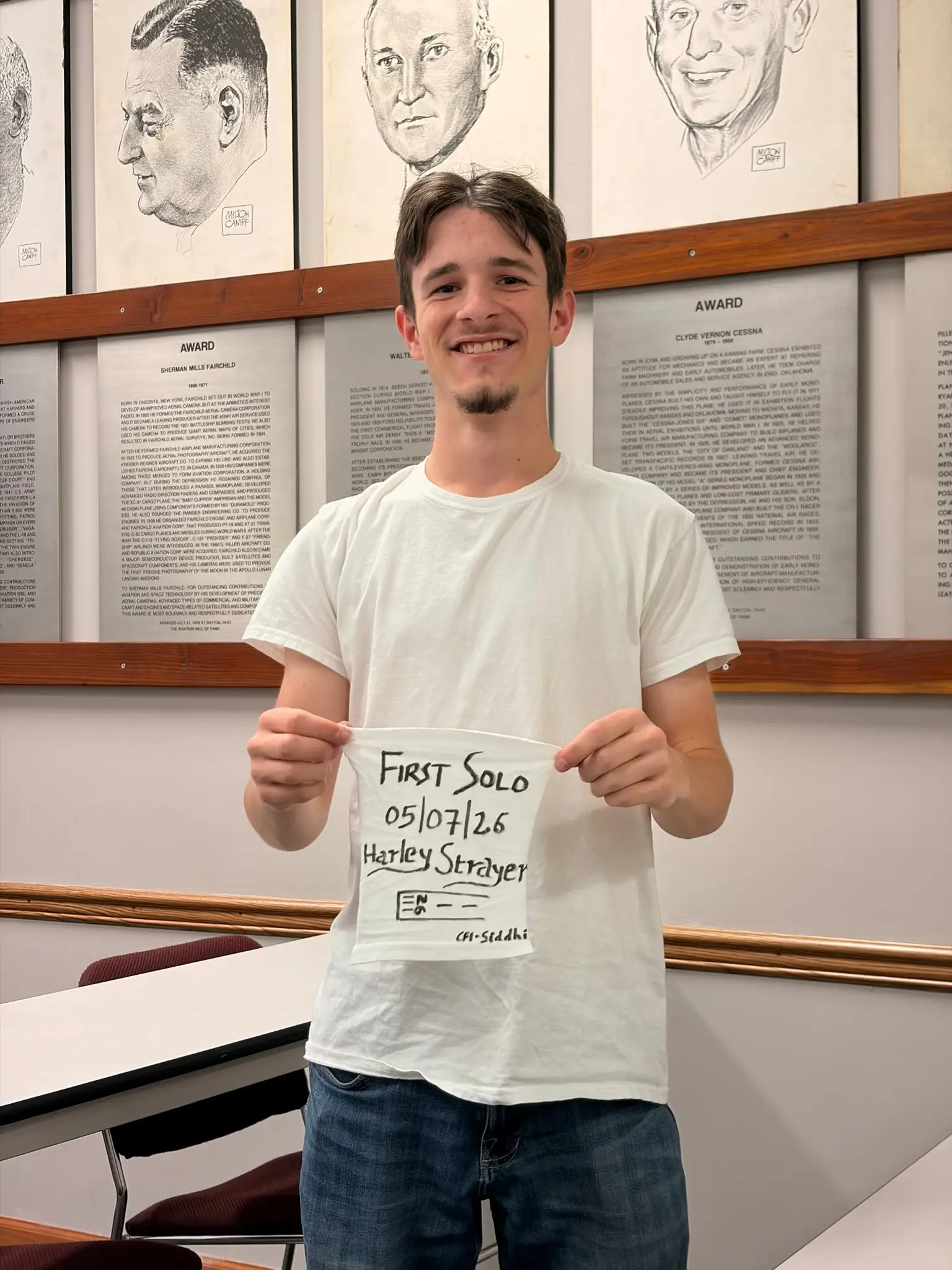
You do not have to decide today whether you want to teach for a living. You have to decide whether you want the first certificate, because every rung above it starts from the same left seat, the same preflight walkaround, and the same first solo.
Tell us the flying you want to be doing in five years and we will map the ladder backward from there, one certificate at a time, with honest timelines and no promises we cannot keep. When you are ready to start, enroll with Dayton Aviation Services and we will build your first training block around the schedule you actually have.