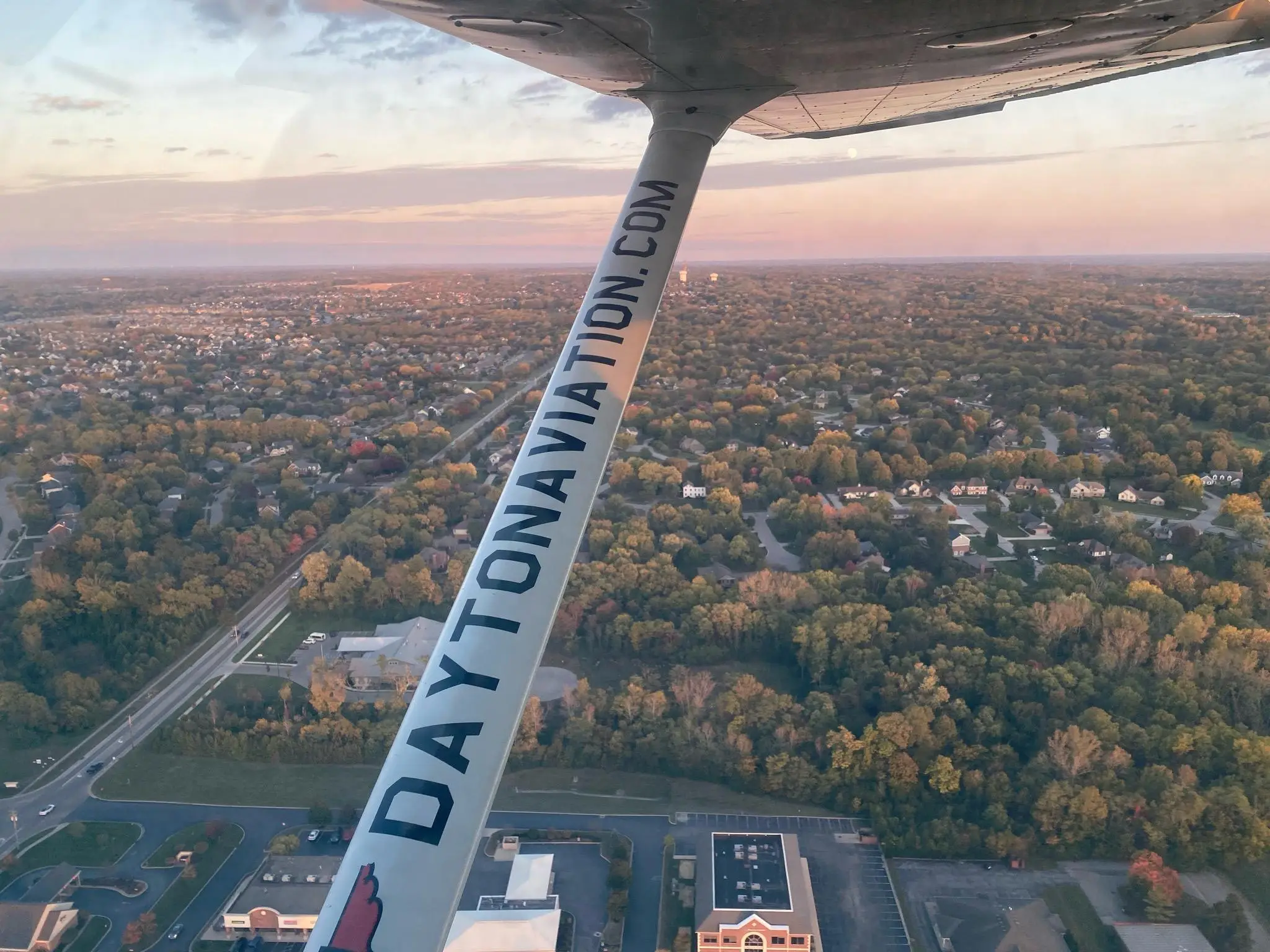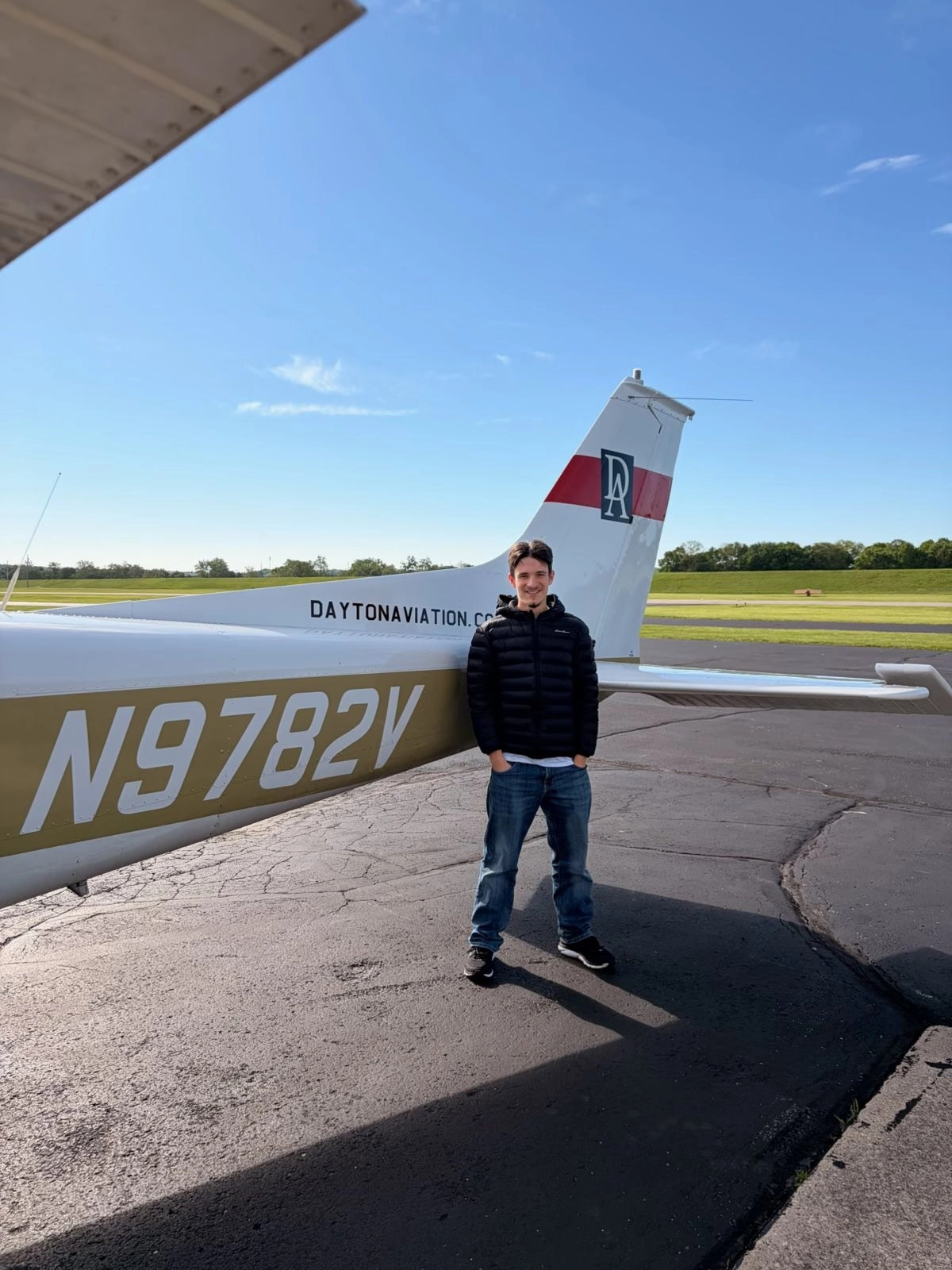
Getting Current Again After Time Away From Flying
A returning pilot's guide to currency, proficiency, the flight review, and the instrument proficiency check, plus what the first flight back is really for.

Published by
Rich CoxPublished on
Read time
8 min read
The logbook is the honest part. You open it, you find the last entry, and the date is further back than you remembered. Life happened, the airplane did not, and now you are wondering whether getting current again means starting over.
It does not. Your pilot certificate does not expire the way currency does. What lapsed is a set of requirements you can meet again, and the fastest way through them is to stop guessing and get a plan. Three different things get tangled together in most conversations we have at Moraine Airpark, and separating them is the whole job: your flight review, your recency requirements, and your actual proficiency.
Currency, Proficiency, and the Flight Review Are Three Different Things
Currency is a legal condition, defined by the FAA in specific terms for specific operations. Proficiency is whether you can actually fly the airplane well today, which no regulation measures. The flight review is a training event that unlocks acting as pilot in command, and it is the one most returning pilots start with.
The rule is straightforward. Most pilots must complete a flight review every 24 calendar months to act as pilot in command, unless they meet an FAA-approved alternative. A flight review includes at least one hour of ground training and at least one hour of flight training, and you can read the regulation itself at 14 CFR 61.56. Our Flight Review program is built around that structure.
One thing worth saying plainly, because it keeps rusty pilots on the ground for months. A flight review is training and an endorsement, not a practical test. There is no examiner, no pass or fail entry on your record, and nothing to be embarrassed about at our schoolhouse.
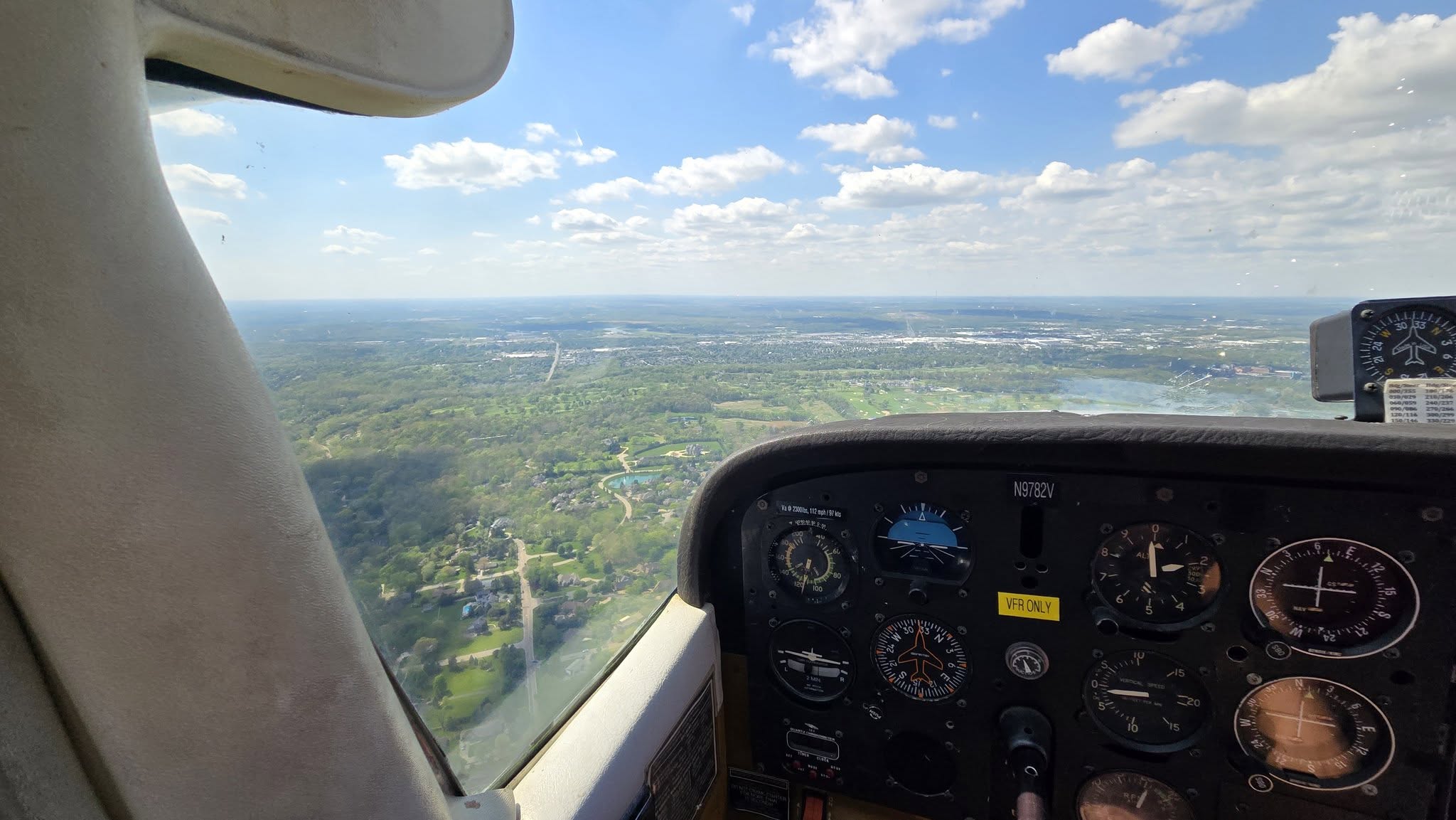
Currency, proficiency, and the flight review are three separate questions with three separate answers.
The Recency Requirements Most Returning Pilots Have Also Lost
The flight review gets you back to acting as pilot in command. Carrying passengers is a separate set of requirements under 14 CFR 61.57, and these are the ones pilots forget on the drive to the airport with a family member in the passenger seat.
- Passenger-carrying recency generally requires three takeoffs and landings within the preceding 90 days in the same category and class, and the same type when a type rating is required.
- Night passenger-carrying recency generally requires three takeoffs and landings to a full stop during the period from one hour after sunset to one hour before sunrise.
- Instrument currency has its own requirements in 61.57(c), with the instrument proficiency check in 61.57(d) when currency has lapsed.
These rules turn on the exact operation and aircraft, so read the regulation against your own situation rather than a summary. The practical version is simpler than the legal version: fly the pattern a few times before you put someone you love in the right seat, which is exactly what a first lesson back with one of our instructors is for.
The Instrument Proficiency Check Is the Rusty IFR Pilot’s Reset
Instrument flying decays faster than anything else in your logbook, and it decays quietly. An instrument proficiency check may be required when instrument currency has lapsed under the FAA rules, and it is designed to confirm that procedures, aircraft control, navigation, and decision-making are ready for IFR operations again.
Our Instrument Proficiency Check program runs one to three weeks depending on scheduling and how much ground work the reset calls for. Most returning IFR pilots find the approaches come back before the scan does, and the ground portion is where the real value hides. If your rating itself is what you want to sharpen rather than reset, our Instrument Rating program covers the same ground more thoroughly.
What the First Flight Back Actually Looks Like
Here is the honest sequence for a pilot who has been away. You show up, you do a real preflight with an instructor beside you, and the walkaround takes longer than it used to. That is normal, and it is information.
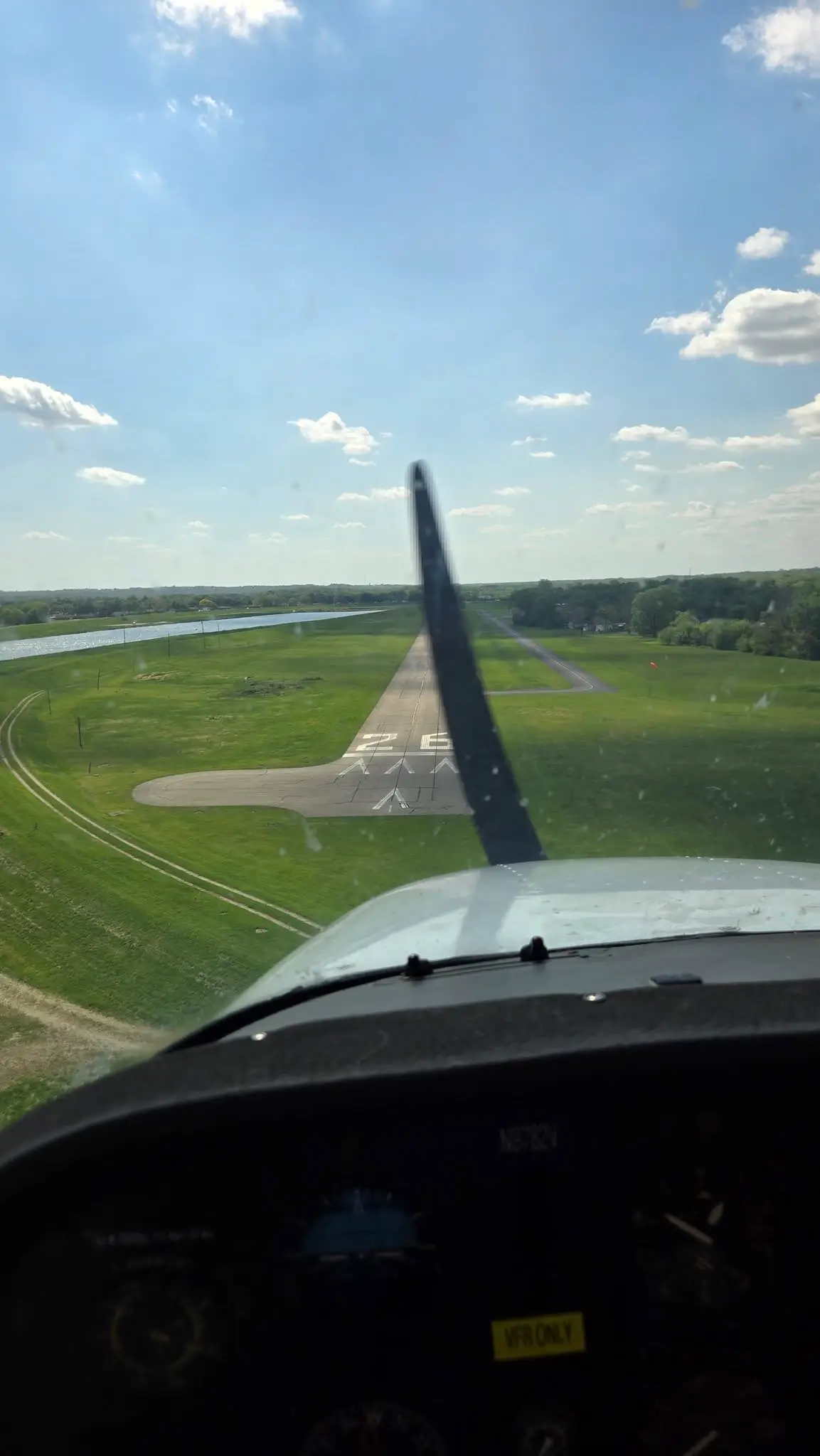
Then you fly. The radio call takes a second longer than it once did, the first landing is firm, and by the third trip around the pattern the sight picture comes back the way muscle memory usually does. Your instructor is watching for judgment more than technique, because technique returns on its own and judgment is the part that needs deliberate work.
After that flight, you and your instructor build the plan. The number of hours it takes is individual, and the first flight back is what tells us what your plan should be, which is why we do not quote a number before we fly with you. Our Part 61 structure means the training adjusts to what you demonstrate rather than to a fixed syllabus block.
Where the Airplane Comes From After You Are Current
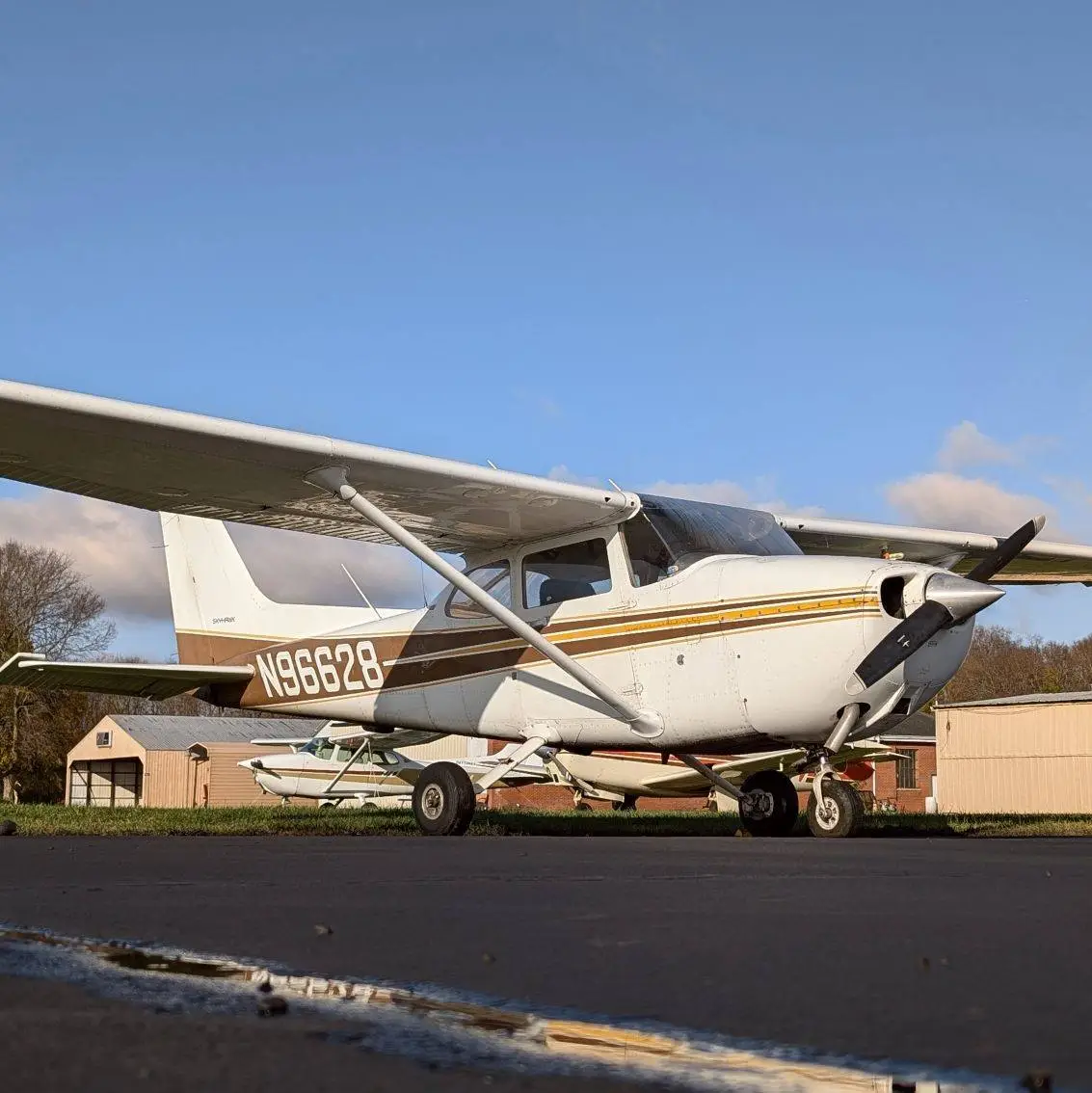
Getting current only matters if there is an airplane waiting on the other side of it. We keep seven aircraft on the line, and no club dues or membership stand between you and them.
| What you need | Where it fits with us | Typical timing |
|---|---|---|
| Back to pilot in command | Flight Review | 1 day to 1 week |
| Back to IFR | Instrument Proficiency Check | 1 to 3 weeks |
| Retractable-gear currency | Complex Endorsement in N55516 | 1 to 3 lessons |
| An airplane to keep flying | Our fleet at $128 to $180 per hour | After a checkout with us |
Cost planning for a return is easier than cost planning for a certificate, because the blocks are short. You are buying instructor time and aircraft time in small increments rather than committing to a full program, and if you want to talk through payment or financing questions before you book, raise it when you contact us.
Common Questions From Pilots Coming Back
We hear these from pilots every month, often on a first call to our team.
Does my pilot certificate expire?
No. A pilot certificate issued by the FAA does not expire on a date the way currency requirements do, and what you are re-establishing is currency and proficiency, which is exactly what our flight review is built to do.
How long does a flight review take?
The regulation sets a floor of one hour of ground and one hour of flight, and returning pilots often use more than the minimum. Our program runs one day to one week depending on scheduling and how much ground work you want, and you can plan it with us through the contact page.
I have been away for ten years. Is that different from two?
The paperwork is the same and the flying is not. A longer gap usually means more time rebuilding judgment and procedures, which our instructors plan for by starting from what you actually demonstrate on the first flight at our schoolhouse.
Do I need a medical certificate again?
Your medical qualification has to be valid for the operation you intend to fly. BasicMed is one option for pilots who held a medical certificate after July 14, 2006, and our post on FAA medical certificates and BasicMed walks through the paths.
Can I do the flight review and a rental checkout at the same time?
Often the training overlaps well, since both involve flying our airplanes with our instructors. Tell us your certificate level, total time, recent experience, and the airplane you want, and we will lay out the steps when you contact us.
What should I study before I come back?
Airspace, weather products, the aircraft flight manual, and the regulations that changed while you were away. The free manuals, renter exams, and FAA publications in our pilot library are the right starting point, and your instructor will tell you where to focus after the first flight.
Book the First Flight Back at Moraine Airpark
You already know how to fly. What you have lost is repetition, and repetition is the one thing a flight school can hand back to you quickly.
Tell us when you last flew, what you flew, and what you want to be doing three months from now. Contact Dayton Aviation Services and we will schedule the ground time and the first flight, then build the rest of the plan around what that flight shows us.